

.png)
Fixing Murky Tank Water: Expert Tips & Best Filtration Methods

Yet many homeowners rely on rainwater tanks, bore water tanks, or storage tanks that gradually develop cloudy, dirty, or murky water. Sediment buildup, algae growth, organic matter, and contamination can quickly affect water quality, taste, and safety.
Murky tank water is more than a visual issue. It can damage plumbing systems, reduce appliance lifespan, clog pipes, and increase health risks if harmful bacteria or contaminants are present. Fortunately, several proven water filtration solutions can restore water clarity and improve overall water quality.
This guide explains the causes of murky tank water, practical troubleshooting methods, and the most effective water filtration systems used throughout Australia.
What Causes Murky Tank Water?
Tank water becomes cloudy for many reasons. Identifying the source of the problem helps determine the most suitable treatment method.
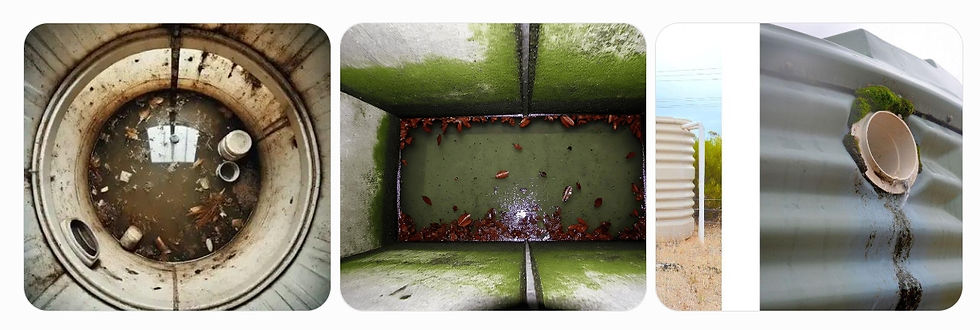
Sediment Accumulation
Dust, dirt, leaves, soil particles, and roof debris often enter rainwater tanks. Over time, these materials settle at the bottom and may become disturbed during heavy rainfall.
Algae Growth
Sunlight exposure encourages algae development inside tanks. Green or brown water is often a sign of algae contamination.
Organic Matter Decomposition
Dead insects, leaves, bird droppings, and plant material can enter storage tanks and decompose, affecting water clarity.
Bore Water Minerals
Many Australian properties rely on bore water. High levels of iron, manganese, and other minerals can create discoloured or cloudy water.
Bacterial Activity
Microorganisms may multiply in poorly maintained tanks, especially during warm weather conditions.
Table 1: Common Causes of Murky Tank Water
Cause | Typical Signs | Potential Impact |
Sediment Build-Up | Cloudy appearance | Pipe blockages |
Algae Growth | Green or brown water | Taste and odour issues |
Organic Debris | Floating particles | Bacterial growth |
Iron & Manganese | Rust-coloured water | Staining and taste problems |
Bacteria | Unpleasant smell | Health concerns |
Tank Damage | Dirt entering tank | Ongoing contamination |
Warning Signs That Your Tank Water Needs Attention
Many property owners notice water quality issues only after problems become severe.
Watch for these signs:
Water appears cloudy or muddy
Visible sediment in glasses or containers
Unpleasant smell from taps
Metallic taste
Reduced water pressure
Stained sinks, toilets, and laundry
Frequent filter blockages
Green residue around tank outlets
Early action helps prevent costly repairs and protects your water supply.

Expert Steps to Fix Murky Tank Water
Addressing murky water involves more than simply installing a filter. A complete inspection helps identify the root cause.
Inspect the Tank Interior
Check for:
Excess sediment
Algae growth
Cracks or damaged seals
Insect or animal intrusion
Overflow issues
A tank inspection often reveals contamination sources that may otherwise go unnoticed.
Clean Gutters and Downpipes
Roof runoff is a major source of contamination.
Regular cleaning removes:
Leaves
Twigs
Dust
Bird droppings
Organic debris
Installing leaf guards and gutter protection systems can reduce future contamination.
Remove Sediment Build-Up
Tank desludging removes accumulated sediment from the tank floor.
Professional cleaning services typically recommend sediment removal every 2–5 years depending on location and rainfall conditions.
Install First Flush Diverters
A first flush diverter redirects the initial flow of rainwater away from the tank.
This simple device prevents:
Roof dust
Bird droppings
Leaves
Pollutants
from entering the water supply.
Test Water Quality
Laboratory testing identifies:
Bacteria
Heavy metals
Mineral content
pH levels
Water hardness
Testing ensures the selected water filtration system matches the actual contamination problem.
Best Water Filtration Methods for Murky Tank Water
Different contaminants require different treatment technologies. Combining several filtration stages usually delivers the best results.
Sediment Filtration
Sediment filters remove visible particles such as:
Dirt
Sand
Rust
Silt
These filters serve as the first line of defence in most water filtration systems.
Common filter ratings include:
Filter Micron Rating | Contaminants Removed |
50 Micron | Large debris |
20 Micron | Fine sediment |
5 Micron | Small particles |
1 Micron | Very fine contaminants |
Carbon Filtration
Activated carbon filters improve:
Taste
Odour
Chemical reduction
They are commonly used in both whole-home water filters and under-sink filtration systems.

UV Water Treatment
Ultraviolet disinfection destroys:
Bacteria
Viruses
Pathogens
UV treatment is particularly popular among Australian households using rainwater tanks.
Reverse Osmosis Systems
Reverse osmosis provides advanced filtration by removing:
Dissolved salts
Heavy metals
Nitrates
Chemical contaminants
These systems are commonly installed under kitchen sinks for drinking water applications.
WA Bore Water Filters
Properties across Western Australia often experience iron-rich bore water.
Specialised WA bore water filters target:
Iron
Manganese
Sulphur odours
Hardness minerals
These systems significantly improve water clarity and reduce staining.
Whole-Home Water Filters vs Under-Sink Filtration Systems
Choosing the right filtration setup depends on household needs.
Table 2: Filtration System Comparison
Feature | Whole-Home Water Filters | Under-Sink Filtration Systems |
Coverage | Entire property | Drinking water only |
Installation Cost | Higher | Lower |
Maintenance | Moderate | Low |
Sediment Removal | Excellent | Good |
Water Taste Improvement | Excellent | Excellent |
Bore Water Treatment | Suitable | Limited |
Appliance Protection | Yes | No |
Whole-home water filters provide protection for every tap, appliance, shower, and plumbing fixture.
Under-sink filtration systems focus primarily on drinking and cooking water.

Eco-Friendly Water Filtration Solutions for Australian Homes
Many homeowners are seeking sustainable ways to improve water quality.
Eco-friendly water filtration options include:
Reusable filter housings
Long-life filtration cartridges
Chemical-free UV systems
Rainwater harvesting integration
Energy-efficient pumps
Recyclable filter materials
These systems reduce environmental impact while maintaining high water quality standards.
Industry Insight
Many Australian water specialists report that sediment filtration combined with UV disinfection provides one of the most cost-effective solutions for rainwater tank users. This combination addresses both physical contaminants and microbiological risks while keeping maintenance requirements manageable.
Water Filtration Maintenance Schedule
Even the best water filtration system requires routine maintenance.
Recommended Maintenance Chart
Maintenance Task | Frequency |
Gutter Cleaning | Every 3–6 Months |
Tank Inspection | Every 6 Months |
Sediment Filter Replacement | Every 6–12 Months |
Carbon Filter Replacement | Every 12 Months |
UV Lamp Replacement | Annually |
Tank Cleaning | Every 2–5 Years |
Water Testing | Annually |
Water Quality Improvement Timeline
Before Filtration ██████████████ 100% Murkiness
Sediment Filter ████████ 60%
Carbon Filter █████ 35%
UV Treatment ███ 20%
Complete System █ 5%
A properly designed water filtration system can dramatically improve water clarity, taste, and safety.

Conclusion
Murky tank water is a common issue across Australia, particularly for households relying on rainwater tanks and bore water supplies. Sediment, algae, organic matter, bacteria, and mineral contamination can all contribute to cloudy water and reduced water quality. A combination of tank maintenance, water testing, sediment removal, and appropriate water filtration technology offers the most reliable solution. Whole-home water filters provide comprehensive household protection, while under-sink filtration systems deliver high-quality drinking water. Properties using groundwater supplies may also benefit from specialised WA bore water filters designed to address local water conditions. Regular maintenance, eco-friendly water filtration practices, and professional water filtration service support can help ensure a safe, clean, and reliable water supply throughout the year.
FAQs
1. Why is my tank water suddenly cloudy?
Tank water often becomes cloudy after heavy rainfall, sediment disturbance, algae growth, or contamination entering through damaged tank covers or gutters. A professional inspection and water quality test can identify the exact cause and determine whether cleaning or additional filtration is required.
2. Can murky tank water be made safe to drink?
Yes. Most murky tank water can be treated effectively using a combination of sediment filtration, carbon filtration, UV disinfection, and regular tank maintenance. The most suitable solution depends on the contaminants present, which should be confirmed through water testing.
3. How often should a rainwater tank be cleaned in Australia?
Most experts recommend professional tank cleaning every two to five years. Properties located near trees, dusty areas, or regions with frequent storms may require more frequent maintenance to prevent sediment accumulation and water quality issues.
4. Are whole-home water filters better than under-sink filtration systems?
Whole-home water filters treat water throughout the entire property, protecting plumbing, appliances, and all household taps. Under-sink filtration systems focus only on drinking water. Many Australian households combine both systems for complete protection and improved water quality.
5. What filtration system works best for WA bore water?
WA bore water filters designed for iron, manganese, sulphur, and hardness treatment are typically the most effective solution. These specialised systems address common groundwater challenges found throughout Western Australia and significantly improve water clarity, taste, and household usability.


