

.png)
7 Tips for Hiring a Water Filtration System Installer In Western Australia

Water quality varies significantly across Western Australia. Homes in Perth often deal with chlorine-treated scheme water, while properties in Kimberley, Derby, and rural areas may rely on bore water with higher mineral content. Because of these differences, selecting the right Water Filtration System Installer is just as important as choosing the filtration system itself. Many homeowners focus on the product and overlook the expertise of the installer. A poorly installed system can reduce filtration performance, increase maintenance costs, and shorten equipment lifespan. This guide outlines seven practical tips for Hiring a Water Filtration System Installer in Western Australia, helping you make a confident decision whether you need whole-home water filters, under-sink filtration systems, or WA bore water filters.

Why the Right Water Filtration Installer Matters
A water filtration system is a long-term investment. Installation quality directly affects:
Water pressure
Filtration efficiency
System durability
Maintenance requirements
Household water safety
Experienced Water Filtration System Experts understand regional water conditions and can recommend systems that suit local water sources rather than applying a one-size-fits-all approach.
Understanding Water Challenges Across Western Australia
Different regions face different water quality concerns. The installer should understand local conditions before recommending equipment.
Table 1: Common Water Issues by Region
Region | Common Water Concerns | Recommended Filtration Solutions |
Perth | Chlorine, sediment, taste issues | Whole-home water filters, carbon filtration |
Yanchep | Hard water, chlorine | Multi-stage filtration systems |
Alkimos | Mineral content, chlorine | Whole-house filtration units |
Kimberley | Sediment, minerals, bore water contamination | Advanced filtration and UV treatment |
Derby | Bore water quality issues | WA bore water filters |
Busselton | Sediment and taste concerns | Under-sink filtration systems and whole-home filters |
An installer familiar with these regional differences can provide more accurate recommendations.

Tip 1 – Verify Experience With Different Filtration Systems
Not every installer has experience with all filtration technologies.
Look for professionals who regularly install:
Whole-home water filters
Under-sink filtration systems
Reverse osmosis systems
UV purification systems
WA bore water filters
Sediment filtration systems
Ask how many similar installations they complete each year. Installers with broad experience can identify potential challenges before work begins.
Questions to Ask
How long have you been installing filtration systems?
Do you specialize in residential installations?
Have you worked with bore water systems before?
Can you provide examples of recent projects?
Tip 2 – Request a Water Assessment Before Installation
A professional Water Filtration System Installer should never recommend equipment without understanding your water quality.
Water testing may identify:
Chlorine levels
Sediment content
Heavy metals
Hardness levels
Bacteria risks
Mineral concentrations
The results help determine whether a simple carbon filter is sufficient or if a more advanced treatment system is necessary.
Table 2: Water Test Results and Recommended Solutions
Water Issue | Possible Solution |
High chlorine | Activated carbon filtration |
Sediment | Sediment pre-filter |
Hard water | Water softening system |
Bacteria | UV sterilization |
High iron content | Iron removal filtration |
Bore water contamination | Multi-stage bore water treatment |
Skipping water analysis can lead to overspending on unnecessary equipment or purchasing a system that fails to solve the problem.
Tip 3 – Check Knowledge of WA Bore Water Filters
Many rural and regional properties across Western Australia rely on bore water.
Bore water often contains:
Iron
Manganese
Sediment
Sulfur compounds
High mineral concentrations
Hiring Water Filtration Installer professionals with bore water experience is essential in areas such as Derby and Kimberley.
Why Bore Water Requires Specialized Expertise
Unlike municipal water supplies, bore water quality can fluctuate throughout the year. The installer should understand:
Water testing procedures
Filtration staging
Pump compatibility
Pressure management
Maintenance schedules
An installer unfamiliar with bore water treatment may recommend equipment that performs poorly over time.
Tip 4 – Compare More Than Just Installation Cost
Price matters, but the cheapest quote is rarely the best value. More details about Installation Cost Here- Water Filter System Installation Cost
A lower installation price may exclude:
Water testing
Additional fittings
Pressure regulation
System commissioning
Ongoing support
Cost Comparison Factors
Consideration | Why It Matters |
Equipment quality | Affects lifespan and performance |
Warranty coverage | Protects investment |
Service support | Reduces future repair costs |
Replacement filter availability | Simplifies maintenance |
Installation standards | Prevents leaks and system failures |
Request a detailed written quote outlining every component included in the installation.
Tip 5 – Review Customer Feedback and Local Reputation
A reputable Water Filtration System Installer should have a strong record of completed projects and positive customer experiences.
Look for reviews that mention:
Reliability
Punctuality
Workmanship
Communication
After-sales support
Pay close attention to feedback from customers located in Perth, Alkimos, Yanchep, Busselton, Kimberley, and Derby.
Local experience often indicates familiarity with regional water conditions and council requirements.
Red Flags to Watch For
Lack of Reviews
A limited review history may indicate minimal experience.
Consistent Complaints About Service
Repeated concerns regarding installation quality should not be ignored.
Unclear Warranty Information
Reliable installers clearly explain warranty terms before work begins.
Tip 6 – Confirm Maintenance and Ongoing Support
Water filtration systems require regular servicing to maintain effectiveness.
Before signing a contract, ask:
How often filters need replacement
Typical maintenance costs
Emergency service availability
Service response times
Warranty coverage
Installation Is Only the Beginning
The best Water Filtration System Experts provide ongoing support after installation.
This includes:
Scheduled servicing
Filter replacement reminders
System inspections
Performance testing
Long-term support often saves homeowners significant money by preventing avoidable system failures.
Tip 7 – Choose an Installer Who Recommends the Right System, Not the Most Expensive One
Trustworthy installers focus on solving water quality issues rather than selling the highest-priced equipment.
A professional recommendation should be based on:
Household size
Water consumption
Water source
Water test results
Budget requirements
Common Filtration Solutions and Best Uses
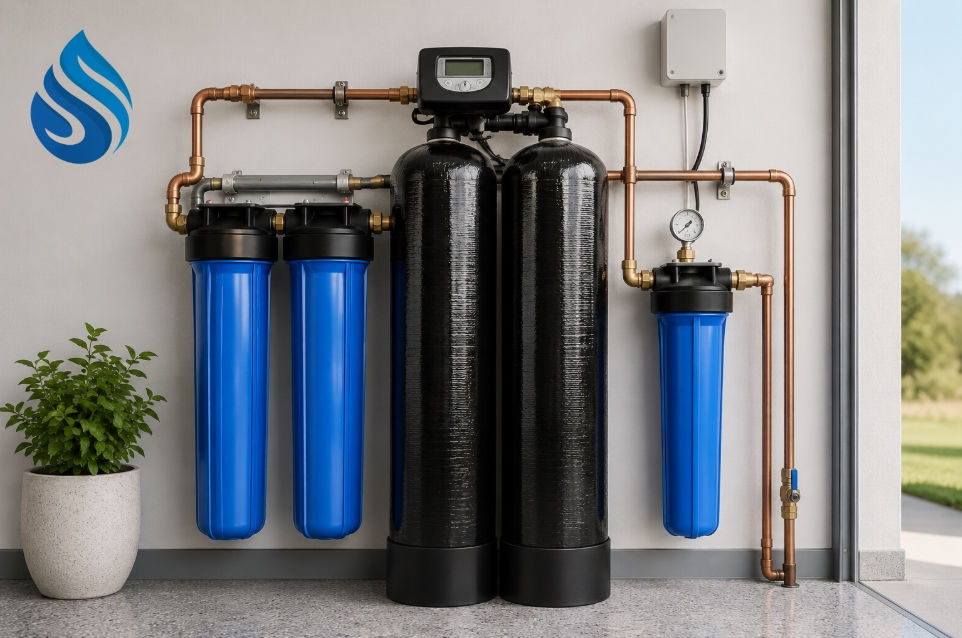
Whole-Home Water Filters
Whole-Home Water Filters: Suitable for households seeking filtered water throughout the property, including bathrooms, kitchens, and laundry areas.
Under-Sink Filtration Systems
Under-Sink Filtration Systems: Ideal for homeowners focused on drinking and cooking water quality.
Reverse Osmosis Systems
Useful for removing a broad range of contaminants and dissolved solids.
WA Bore Water Filters
Designed specifically for regional properties relying on groundwater supplies.
A knowledgeable installer explains the advantages and limitations of each option without pressuring homeowners into unnecessary upgrades.
Industry Insight: What Experienced Installers See Most Often
Key Insight
Many filtration performance problems are not caused by faulty equipment.
Industry professionals report that a large percentage of service callouts stem from:
Incorrect filter sizing
Poor installation practices
Lack of water testing
Missed maintenance schedules
Homeowners who invest in proper assessment and professional installation often experience fewer repairs and lower ownership costs over the system's lifespan.
Water Filtration Success Factors in WA
The chart below highlights the relative importance of factors influencing long-term filtration performance.
Chart: Factors Affecting Water Filtration System Performance
Factor | Impact Score (%) |
Installation Quality | 35% |
System Selection | 25% |
Water Testing Accuracy | 15% |
Maintenance Schedule | 15% |
Product Quality | 10% |
Visual Representation
Installation Quality ████████████████████████████████ 35%
System Selection ██████████████████████ 25%
Water Testing Accuracy ████████████ 15%
Maintenance Schedule ████████████ 15%
Product Quality ████████ 10%
The data highlights that installer expertise has a greater impact on system success than the filtration equipment alone.
Conclusion:
Hiring a Water Filtration System Installer in Western Australia requires more than comparing prices. The best outcomes come from choosing professionals who understand local water conditions, conduct proper water assessments, and have experience with whole-home water filters, under-sink filtration systems, and WA bore water filters. Whether you live in Perth, Yanchep, Alkimos, Kimberley, Derby, or Busselton, taking the time to evaluate experience, support, reputation, and technical knowledge can help ensure your filtration system performs efficiently for years.
A qualified installer delivers more than equipment—they provide a complete water treatment solution tailored to your property's needs.
FAQs:
1. How much does water filtration system installation cost in Western Australia?
Installation costs vary depending on system type, water source, and property requirements. Under-sink filtration systems generally cost less than whole-home water filters. Additional expenses may include water testing, plumbing modifications, and ongoing maintenance. Requesting multiple detailed quotes helps homeowners compare value rather than focusing solely on price.
2. Are whole-home water filters worth installing?
Whole-home water filters can improve water quality throughout the entire property. They help reduce chlorine, sediment, and other contaminants before water reaches taps, showers, and appliances. Many Western Australian homeowners choose these systems to improve taste, protect plumbing fixtures, and reduce exposure to unwanted substances.
3. What is the best filtration system for bore water in WA?
The best solution depends on the specific bore water composition. Many properties require multi-stage filtration that includes sediment removal, iron treatment, activated carbon filtration, and UV sterilization. Professional water testing should always be completed before selecting WA bore water filters to ensure effective treatment.
4. How often should water filters be replaced?
Replacement intervals depend on water quality, system design, and household water usage. Some filters require replacement every six months, while others may last twelve months or longer. Following the manufacturer's guidelines and scheduling regular maintenance helps maintain filtration performance and water quality.
5. Can an under-sink filtration system remove chlorine and bad taste?
Yes. Most quality under-sink filtration systems use activated carbon technology to reduce chlorine, odors, and unpleasant tastes. These systems are a popular choice for homeowners seeking cleaner drinking and cooking water without installing a whole-house filtration solution. Proper installation is important for optimal performance.


